

How to recognise a real emerald and not get burned? Natural emeralds vs. synthetic / lab-grown emeralds
For many centuries the emerald has been one of the world's most precious gemstones. People believed that as far back as the days of Cleopatra. Unlike the other gemstones of the classic four (sapphire, ruby, diamond), the emerald is missing from none of the world's significant royal or coronation jewels.
For many experts the emerald is a gemstone with a "face" of its own. As one powerful owner of Colombian emerald mines puts it: "When you buy or give this rare stone, nobody else in the world can have it. There are no two identical emeralds on the planet."
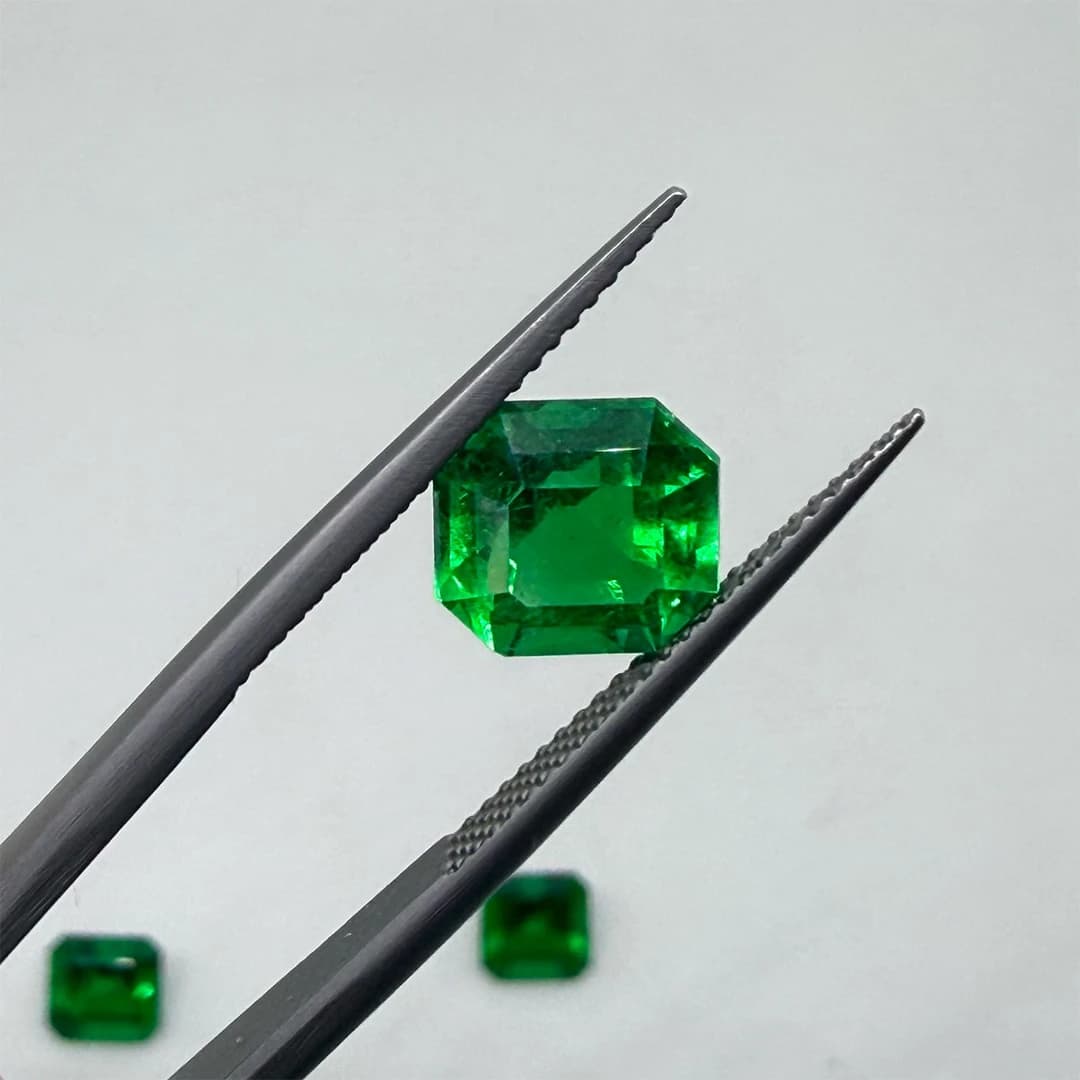
Why? Because more than any other gemstone the emerald is characterised precisely by its internal inclusions, cavities and tiny fissures, which give it that unmistakable quality. That is also why it is sometimes called "green ice". When you look closely at natural ice, you see cracks, impurities and cavities in it much like those in an emerald. And that is why, when someone offers a beautiful, dark green emerald of perfect clarity, with no inclusions (cracks, cavities…) visible to the naked eye or through a loupe, the buyer should be on guard. It is probably a worthless trinket or a lab-grown emerald. Because completely clean, deep green emeralds occur very rarely. High-quality Colombian emeralds are valued far more highly than diamonds.
Natural vs. synthetic / lab-grown emeralds
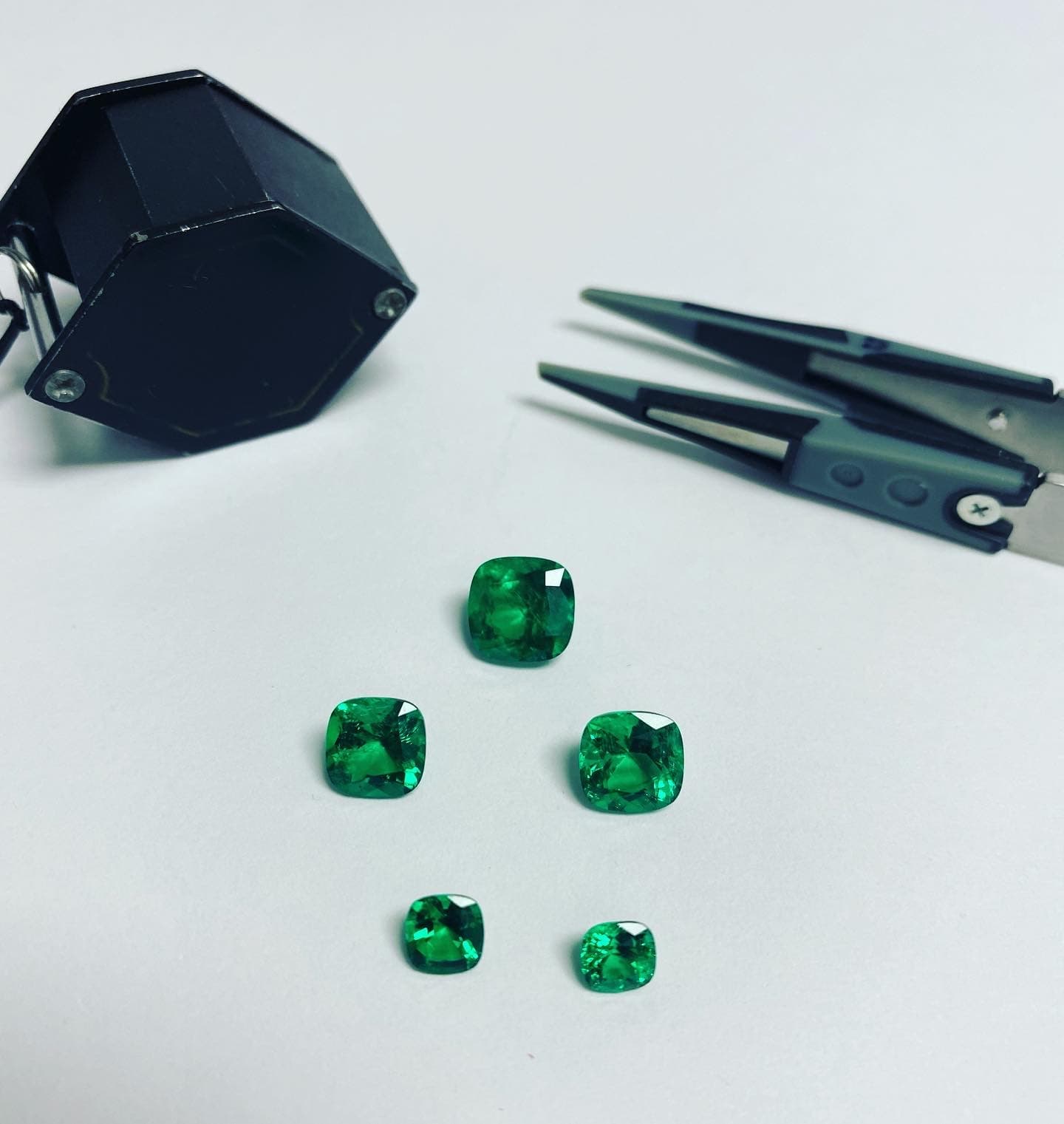
Given the shortage of perfect and clean emeralds, and because of ever-rising prices, people try to produce them under artificial conditions. Much like diamonds. They aim to produce the same quality and the perfect colour of the most beautiful and rarest emeralds from the Colombian region of Muzo. That is why you may come across sellers of artificially created emeralds who market lab-grown emeralds described as "MUZO colour".
Visually, lab-grown emeralds are indistinguishable to the naked eye from genuine TOP Colombian emeralds. A layperson will therefore find it very hard to tell a lab-grown emerald from a high-quality natural one.
So how do you recognise a lab-grown emerald? A clear indicator can be the price of the emerald. The retail price of a lab-grown emerald runs in the single thousands, at most around 18 thousand crowns per carat (and it keeps falling and will keep falling, just as the price of lab-grown diamonds is falling); for a comparable Colombian emerald it will be at least ten times as much. And because beautiful and perfect natural emeralds — and rare coloured stones in general — are in short supply, their price keeps rising.
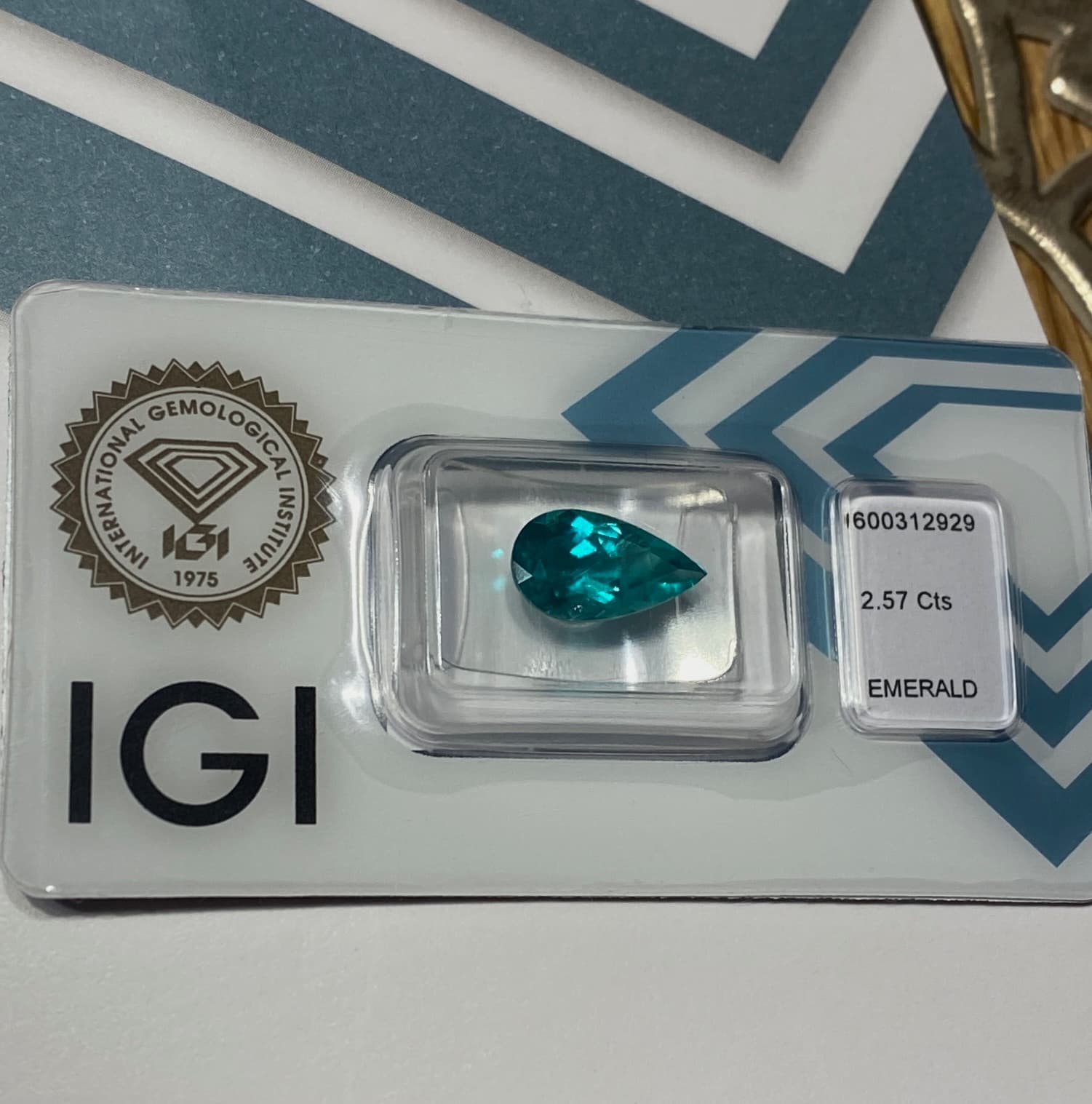
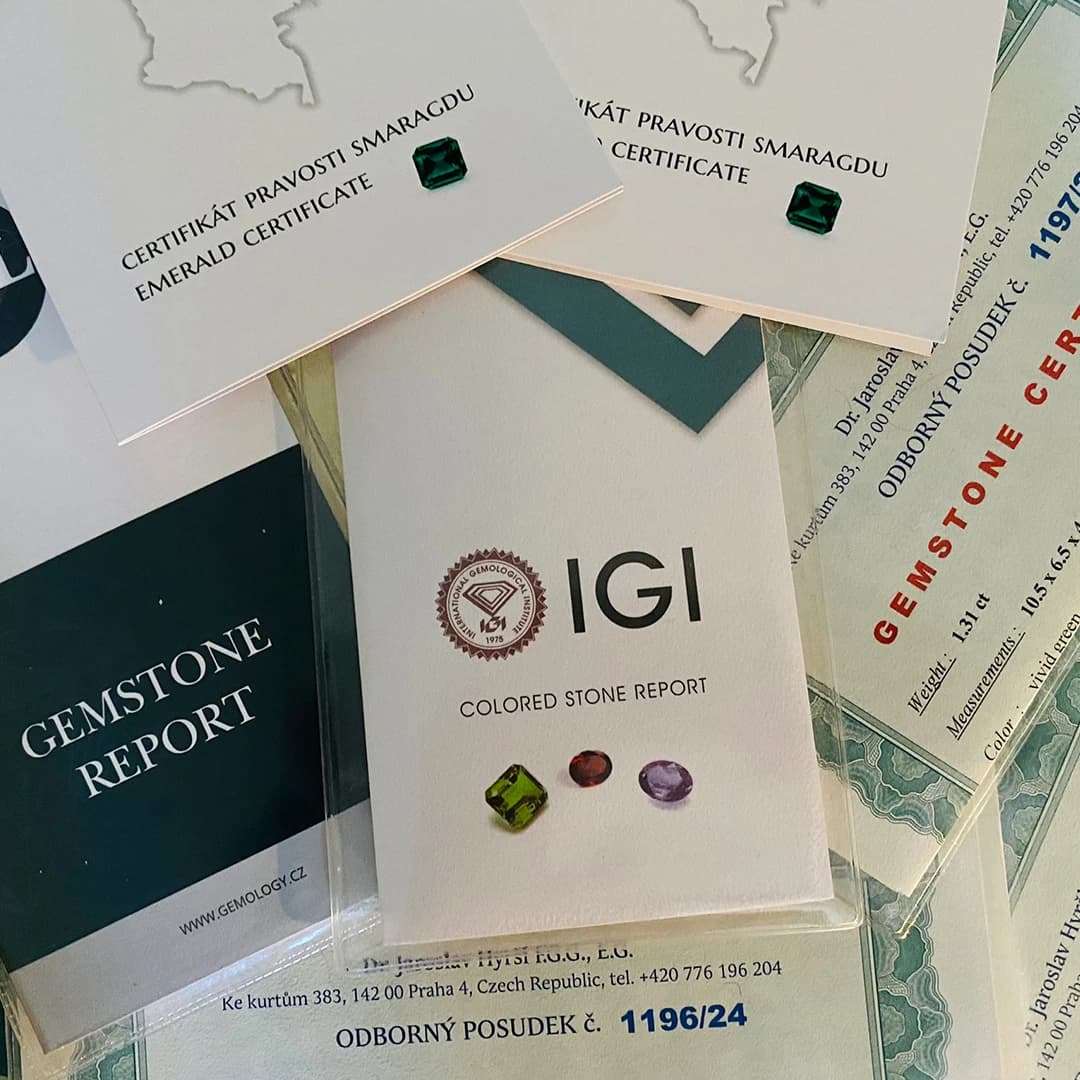
Another clear clue for telling a lab-grown emerald from a natural one is the certificate. It must state whether the stone is a natural or a lab-grown emerald! If anyone tells you otherwise, be cautious. Under the microscope a gemologist will determine unambiguously which kind of emerald it is and will state it in the certificate. Colombian emeralds, for example, have characteristic three-phase inclusions that cannot be created under laboratory conditions. Lab-grown (synthetic) emeralds are produced by two methods, either from a melt or hydrothermally from a solution. Emeralds grown by both methods contain typical inclusions that differ from natural ones and that a gemologist can see under the microscope!
The refractive index, given in some certificates, is also different for natural emeralds than for lab-grown ones.

Another way to recognise a genuine emerald can be so-called calibrated emeralds (stones cut precisely to the most commonly used sizes and shapes). If someone offers you two beautiful and completely clean "natural" emeralds for earrings of the same weight and size (calibrated), again be very cautious. High-quality Colombian emerald rough is so rare and expensive that every cutter tries to cut the maximum that can be cut, rather than trying to fit the sought-after size and weight that sells best on the market. Calibrated Colombian emeralds mostly head for other, more lucrative markets. In Central Europe, TOP calibrated Colombian emeralds are almost unsellable because of their high price.
What to add in closing. The advice recommended and repeated a thousand times over: buy from proven experts and dealers, and without time pressure. (See the article "How not to get burned when buying precious stones?")
We wish you a purchase of emeralds with "color mágico y poderoso" (with the magical colour and the colour of power), as wealthy Colombians say.